
 English
  German
  French
  Spanish
  Turkish
  Italian
  Russian
  Arabic
  Persian (Afghanistan)
  Hebrew
  Bengali
  Persian
  Scottish Gaelic
  Panjabi
  Croatian
  Slovenian
  Greek
Greek  Afrikaans
  Korean
  Japanese
  Portuguese

Sustainable Carpet Options: Your Guide to Eco-Friendly Flooring Solutions
Are you considering new flooring but want to make an environmentally responsible choice? Sustainable carpet options offer eco-friendly solutions without compromising on style or comfort. This guide will help you understand what makes a carpet sustainable, explore the best materials, and discover how to make greener choices for your home or business.
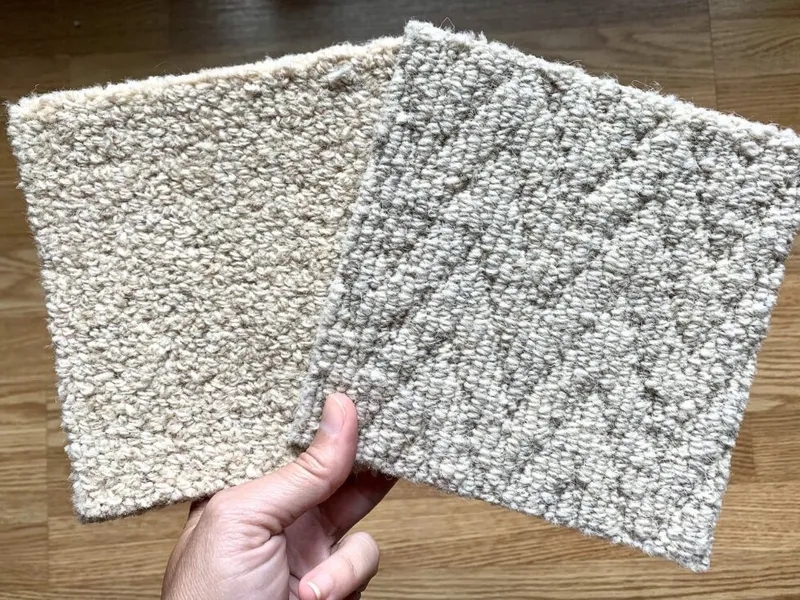
Table of Contents
What Makes a Carpet Sustainable?
A sustainable carpet is one that has a reduced environmental impact throughout its life cycle. Factors that contribute to a carpet’s sustainability include:
- Materials Used: Carpets made from renewable or recycled materials.
- Manufacturing Processes: Eco-friendly production methods that minimize emissions and waste.
- Longevity and Recyclability: Durable carpets that can be recycled at the end of their life.
By choosing a carpet with these qualities, you’re not only enhancing your floor but also contributing to a healthier planet.
Why Choose Eco-Friendly Carpet Options?
Eco-friendly carpet options offer numerous benefits:
- Healthier Indoor Air Quality: Reduced volatile organic compounds (VOCs) for better indoor air.
- Reduced Footprint: Lower environmental impact compared to traditional carpets.
- Stylish and Functional: Wide range of designs without sacrificing performance.
Making sustainable choices in your flooring can significantly reduce the negative effects on the environment while providing a comfortable and stylish floor for your space.
How to Tell if Your Carpet is Truly Sustainable
Determining whether a carpet is genuinely sustainable involves looking for specific indicators:
- Certifications: Look for the Green Label Plus certification from the Carpet and Rug Institute. This label ensures the carpet meets stringent standards for low emissions.
- Materials: Opt for carpets made from natural fiber or recycled materials.
- Manufacturer Practices: Research carpet manufacturers committed to sustainable production of carpets.
By paying attention to these aspects, you can ensure your carpet is not only beautiful but also environmentally responsible.
Best Sustainable Carpet Materials
When exploring sustainable carpet options, consider the following materials:
1. Organic Wool
- Renewable and naturally flame-resistant.
- Biodegradable and has minimal environmental impact.
- Provides excellent insulation and comfort.
2. Recycled Nylon
- Made from recycled materials, such as old fishing nets.
- Durable and suitable for high-traffic areas.
- Reduces waste by reusing resources.
3. Natural Fibers (Sisal, Jute, Seagrass)
- Biodegradable and made from renewable resources.
- Adds a natural aesthetic to any room.
- Environmentally friendly due to minimal processing.
Table: Comparison of Sustainable Carpet Materials
| Material | Renewable | Recyclable | VOC Emission | Durability | Maintenance |
|---|---|---|---|---|---|
| Organic Wool | Yes | Yes | Low | High | Moderate |
| Recycled Nylon | No | Yes | Low | High | Easy |
| Natural Fibers | Yes | Yes | Very Low | Moderate | Easy |
The Role of Carpet Recycling in Reducing Environmental Impact
Carpet recycling plays a crucial role in minimizing the environmental impact of flooring. Here’s how:
- Reduces Landfill Waste: Diverts old carpet from landfills, decreasing pollution.
- Conserves Resources: Reusing materials lessens the need for new raw materials.
- Lowers Emissions: Manufacturing with recycled content often produces fewer emissions.
Organizations like the Carpet America Recovery Effort are working to develop market-based solutions for the recycling of post-consumer carpet, promoting sustainability within the carpet industry.
Understanding Carpet Certifications: Green Label Plus and More
Carpet certifications help consumers identify products that meet high environmental and health standards.
Green Label Plus
- Issued by the Carpet and Rug Institute’s Green Label Plus program.
- Indicates low emission levels of volatile organic compounds (VOCs).
- Ensures better indoor air quality.
Other Certifications
- Cradle to Cradle: Focuses on a product’s lifecycle and its recyclability.
- LEED Credits: Carpets contributing to LEED certification for green building projects.
When purchasing a carpet, look for these certifications to ensure you’re choosing an eco-friendly option.
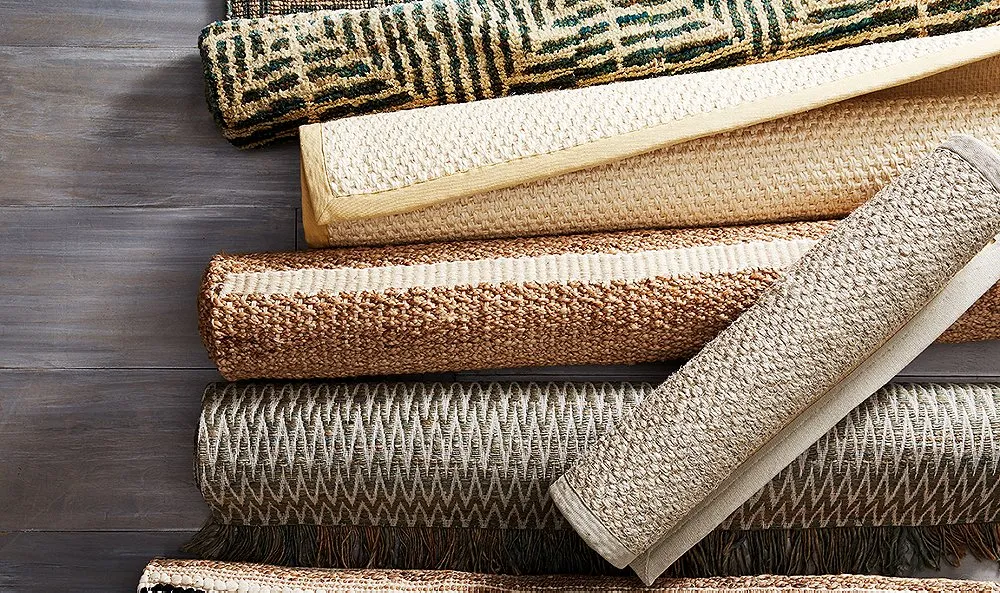
Sustainable Flooring Options Beyond Carpets
While carpets offer warmth and comfort, there are other sustainable flooring options to consider:
- Bamboo Flooring: Rapidly renewable and durable.
- Cork Flooring: Harvested from the bark without harming the tree.
- Reclaimed Wood: Gives old materials new life, reducing waste.
Exploring these eco-friendly flooring options allows you to make sustainable choices that fit your style and needs.
How the Carpet Industry is Embracing Sustainability
The carpet industry is actively moving towards sustainability by:
- Innovating Materials: Developing carpets made from recycled and natural fibers.
- Improving Manufacturing Processes: Reducing emissions and waste during production.
- Offering Take-Back Programs: Encouraging the reuse and recycling of old carpets.
These efforts contribute to the overall goals of reducing the industry’s environmental impact and promoting sustainability.
Quote: “Sustainability in the carpet industry is not just a trend but a necessary evolution to protect our environment for future generations.” — Industry Expert
Natural Fiber Carpets: Are They Right for You?
Natural fiber carpets, such as wool carpeting, offer several benefits:
- Eco-Friendly: Made from renewable resources and are often biodegradable.
- Healthier Indoor Environment: Emit fewer VOCs, improving indoor air quality.
- Aesthetic Appeal: Provide a unique, organic look to your floor.
However, they may require more maintenance and might not be as durable as synthetic options. Consider your lifestyle and preferences when choosing.
Related Product: Area Rug
Enhance your space with an eco-friendly area rug crafted from natural fibers.

What to Do with Your Old Carpet: Reuse and Recycle
Disposing of your old carpet responsibly is key to reducing your environmental impact.
- Recycle Carpet: Many facilities accept carpets for recycling into new products.
- Reuse: Repurpose carpet remnants for rugs, mats, or insulation.
- Donate: If in good condition, donate to charities or shelters.
By taking these steps, you contribute to the sustainability of resources and support a circular economy.
Related Product: Durable Stair Mats
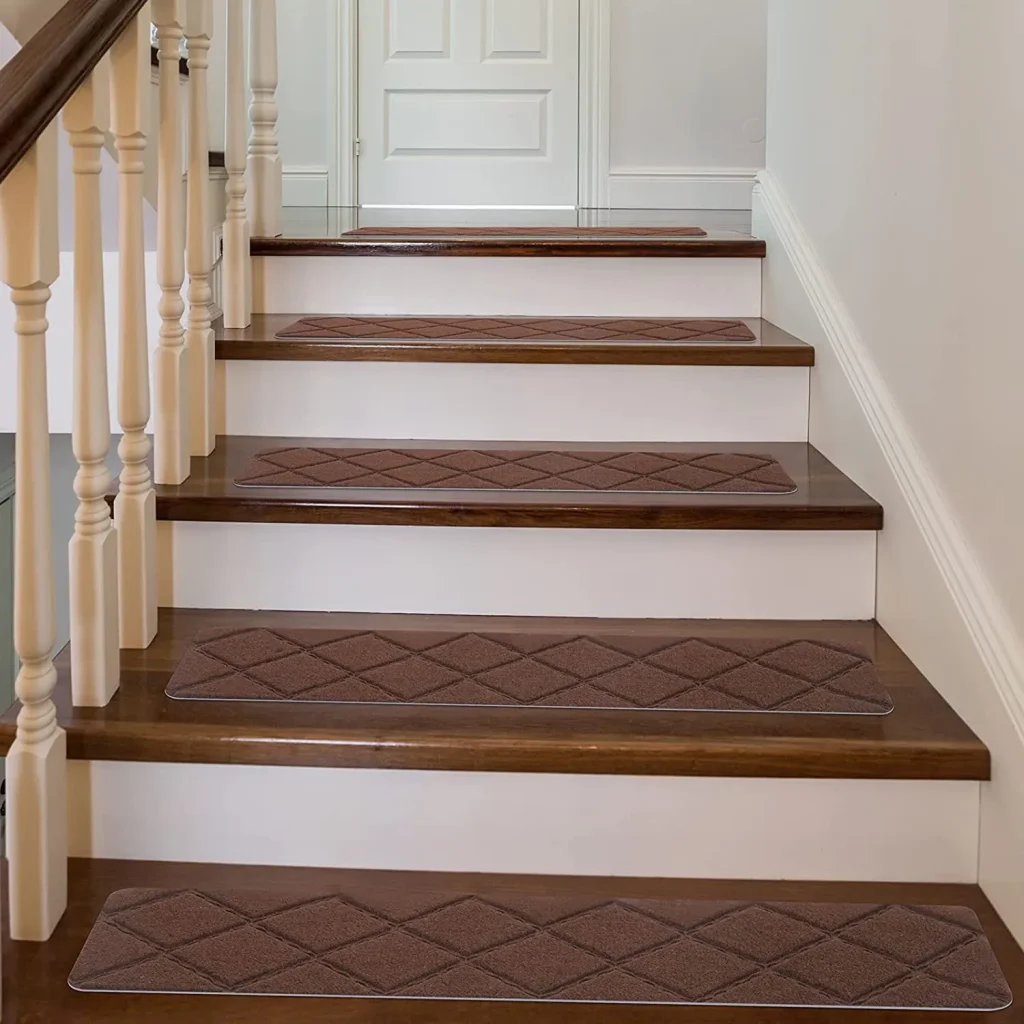
Reuse carpet pieces as durable stair mats to extend their life and reduce waste.
Summary
- Sustainable carpets reduce environmental impact through materials and manufacturing.
- Look for certifications like Green Label Plus to ensure low emissions.
- Choose materials like organic wool and recycled nylon for eco-friendly options.
- Recycle or reuse your old carpet to minimize waste.
- Explore other sustainable flooring options for a greener home.
By making informed choices about your carpet and flooring, you can enjoy a beautiful space while contributing to a healthier planet. Embrace sustainability in your home or business and be part of the solution.