
 English
  German
  French
  Spanish
  Turkish
  Italian
  Russian
  Arabic
  Persian (Afghanistan)
  Hebrew
  Bengali
  Persian
  Scottish Gaelic
  Panjabi
  Croatian
  Slovenian
  Greek
Greek  Afrikaans
  Korean
  Japanese
  Portuguese

European Standard Carpets and Rugs: Understanding Classification and Specifications
Choosing the right carpet or rug for your space can be a daunting task, especially with the myriad of options available. European standards provide a clear classification system that helps you understand the quality and suitability of different floor coverings. In this comprehensive guide, we’ll delve into the intricacies of carpet classification, so you can make an informed decision for your next project.
Table of Contents
What is EN 1307 and Why Does It Matter?
Understanding EN 1307
EN 1307 is a crucial European standard that specifies the requirements for the classification of all textile floor coverings, excluding rugs and runners. This standard provides a comprehensive framework for assessing the performance and quality of carpets and carpet tiles.
Why It Matters
By adhering to EN 1307, manufacturers ensure that their carpets meet specific criteria for durability, appearance retention, and other additional requirements. For consumers, this means you can trust that a carpet classified under this standard has been rigorously tested and is suitable for its intended end use.
How Does Carpet Classification Affect Your Choice?
The Importance of Classification
Carpet classification is more than just a label; it provides insight into how the carpet can be used. It indicates the level of foot traffic it can withstand, its durability, and its suitability for different environments.
Making Informed Decisions
Understanding the classification helps you choose the right carpet for your project, whether it’s for a commercial space or a residential setting. It ensures that the carpet will perform well under the expected conditions.
Understanding Carpet Classes: What’s the Difference Between Class 32 and Class 33?
Class 32 vs. Class 33
Under EN 1307, carpets are classified into different levels based on their performance:
- Class 32: Suitable for general commercial use with moderate foot traffic.
- Class 33: Designed for heavy commercial use, ideal for high foot traffic areas.
Choosing Between the Classes
If you’re selecting a carpet for a busy commercial space like a shopping mall or airport, Class 33 would be the better choice due to its enhanced durability. For offices or areas with less traffic, a Class 32 carpet might suffice.
What Do Carpet Specifications Tell You?
Key Specifications
- Density: Indicates how tightly the fibre tufts are packed together.
- Thermal Resistance: Measures the carpet’s insulation properties.
- Colour Fastness: Assesses how well the carpet maintains its colour over time.
Interpreting Specifications
These specifications help you understand the carpet’s performance in areas such as comfort, energy efficiency, and longevity. For example, a carpet with high thermal resistance can contribute to energy savings by providing better insulation.
The Role of Fibre and Textile in Carpet Quality
Types of Fibres
- Natural Fibres: Wool, silk, etc.
- Synthetic Fibres: Nylon, polyester, polypropylene.
Impact on Quality
The type of fibre used affects the carpet’s feel, appearance, and durability. Textile quality influences how the carpet wears over time and its resistance to stains and fading.
How Does Colour Fastness Impact Carpet Longevity?
Understanding Colour Fastness
Colour fastness refers to the carpet’s ability to retain its colour when exposed to light, cleaning, and wear.
Importance for Longevity
A carpet with excellent colour fastness will maintain its vibrant appearance longer, even in high foot traffic areas. This is crucial for maintaining the aesthetic appeal of both commercial and residential spaces.
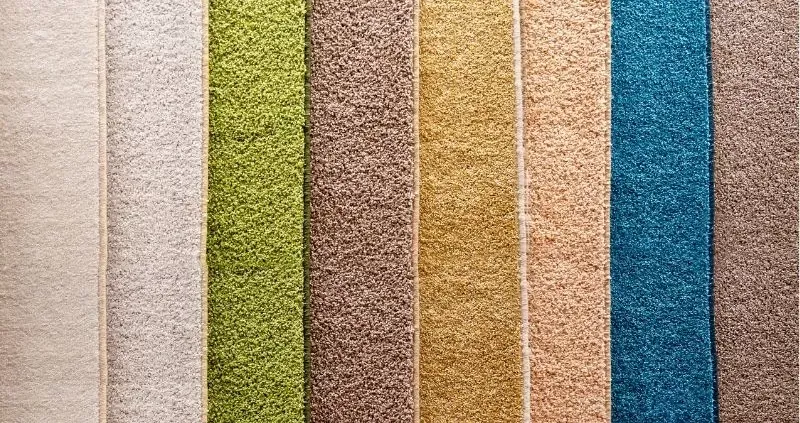
Selecting the Right Carpet for Commercial Spaces
Considerations for Commercial Use
- Durability: Essential for areas with heavy foot traffic.
- Maintenance: Easy-to-clean carpets reduce upkeep costs.
- Safety: Slip resistance and castor chair suitability for offices.
Making the Right Choice
Choose carpets that meet or exceed EN 1307 classification for commercial use. This ensures that the carpet is suited to the demands of a commercial space.
Wall-to-Wall Carpets vs. Carpet Tiles: Which is Better?
Wall-to-Wall Carpets
- Pros: Seamless look, better for sound insulation.
- Cons: More difficult to install and replace sections.
Carpet Tiles
- Pros: Easier installation, replace individual tiles as needed.
- Cons: May show seams, potentially less insulating.
Making a Decision
Consider the specific needs of your space. For areas where flexibility and easy maintenance are key, carpet tiles might be the better option. For a luxurious, continuous feel, wall-to-wall carpets are preferable.
What Are the Additional Requirements for Luxury Class Carpets?
Luxury Classifications
Carpets can be given a luxury use class from LC1 to LC5, with LC5 being the highest. This classification is based on the carpet’s density, pile thickness, and overall feel.
Additional Performance Properties
Luxury class carpets often have enhanced features like better acoustic properties, higher thermal resistance, and improved appearance retention.
Understanding ISO Standards in Carpet Manufacturing
ISO Standards
ISO standards like ISO 10361 provide guidelines for carpet testing, including simulations of long-term appearance retention.
Significance
Compliance with ISO standards ensures that carpets meet international quality benchmarks, providing reassurance about their performance and durability.
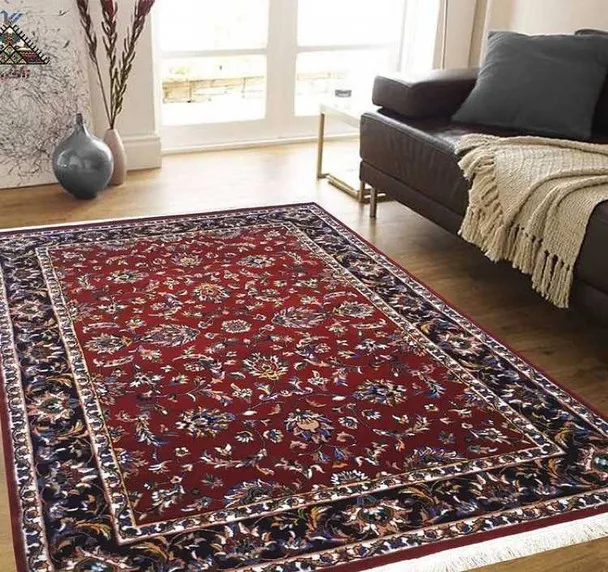
How to Choose Carpet Colours for Your Space
Factors to Consider
- Light Exposure: Lighter colours can make a room feel bigger but may show stains more easily.
- Foot Traffic: Darker colours might be better for high traffic areas.
- Interior Design: Coordinate the carpet colour with your existing decor.
Personal Touch
Choosing the right colour adds a personal touch to your space, enhancing the overall aesthetic.
Add style and functionality to your entrance with our Easy to clean pineapple customized door mat.
Conclusion
Understanding the European standards for carpets and rugs, especially EN 1307, empowers you to make informed decisions for your flooring needs. By considering factors like classification, fibre type, and colour fastness, you can select a carpet that not only enhances your space aesthetically but also meets practical requirements for durability and performance.
Key Takeaways
- EN 1307 is a key European standard for carpet classification.
- Classification helps determine the carpet’s suitability for various end uses.
- Class 32 and Class 33 indicate the carpet’s durability for commercial use.
- Specifications provide important details about carpet performance.
- Fibre and textile quality impact the carpet’s feel and longevity.
- Colour fastness ensures the carpet maintains its appearance over time.
- Choose carpets that meet the demands of your specific commercial space.
- Decide between wall-to-wall carpets and carpet tiles based on your needs.
- Luxury class carpets offer additional features for enhanced comfort and style.
- ISO standards ensure international quality compliance in carpet manufacturing.
- Selecting the right colour enhances your interior design.
For more options to enhance your floors, check out our High quality anti slip pvc floor rolls that offer both safety and style.
Ready to transform your space with the perfect carpet? Understanding these standards ensures you make the best choice for long-lasting beauty and performance.
Shortcuts
- Carpets are classified under EN 1307 for quality assurance.
- Classification impacts the end use suitability of carpets.
- Class 32 and Class 33 indicate levels of durability for commercial use.
- Colour fastness and fibre type affect carpet longevity.
- Choose between wall-to-wall and carpet tiles based on installation and maintenance needs.
For a cozy addition to your living space, consider our area rug collection that complements any interior design.