
 English
  German
  French
  Spanish
  Turkish
  Italian
  Russian
  Arabic
  Persian (Afghanistan)
  Hebrew
  Bengali
  Persian
  Scottish Gaelic
  Panjabi
  Croatian
  Slovenian
  Greek
Greek  Afrikaans
  Korean
  Japanese
  Portuguese

Designing Your Dream Dance Studio Floor: The Ultimate Guide to Dance Floor Kits and Interlocking Tiles
Creating the perfect dance floor is vital for every dancer’s performance and safety. Whether you’re establishing a professional dance studio or setting up a home dance floor, choosing the right flooring can make all the difference. This guide will walk you through various dance flooring options, from interlocking tiles to Marley flooring, helping you make an informed decision that’s easy to install and enhances your dance styles.
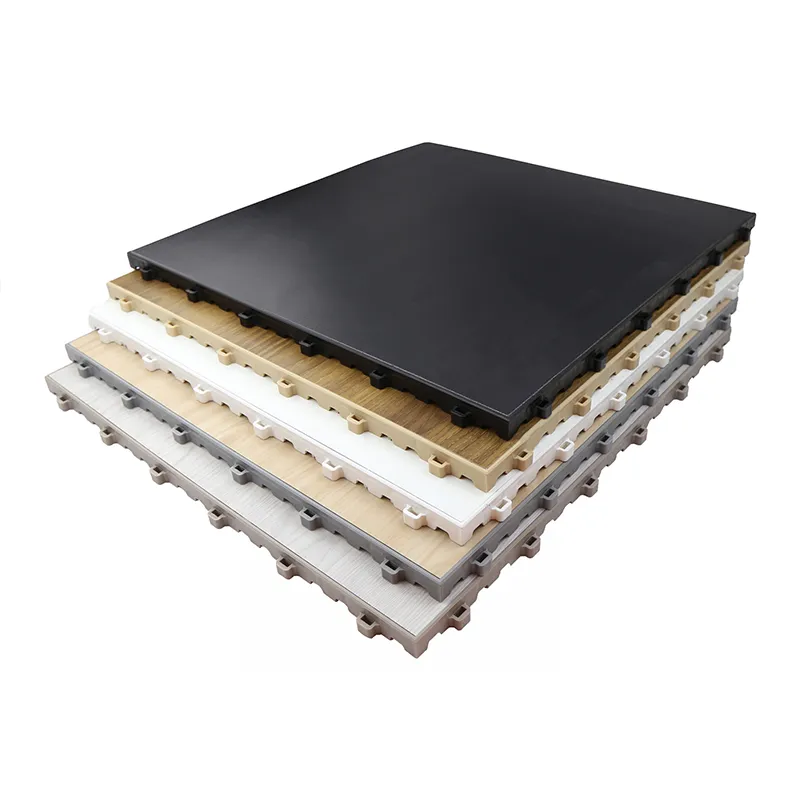
Table of Contents
Why Is the Right Dance Floor Important?
A proper dance floor isn’t just about aesthetics; it’s about performance and safety. The right dance floor provides the necessary support and flexibility, reducing the risk of injuries. Here’s why investing in the right flooring matters:
- Performance Enhancement: A suitable dance floor can improve a dancer’s technique and execution.
- Safety First: Proper flooring reduces the risk of slips and falls, crucial for high-impact dance styles like ballet and tap dance.
- Durability: Quality flooring withstands constant use, saving money in the long run.
For options that combine performance and safety, consider exploring our high-quality dance floors.
What Are the Types of Dance Flooring Options?
Selecting the right flooring option depends on the types of dance you practice. Common dance flooring options include:
- Marley Floors: Ideal for ballet and contemporary dance styles.
- Wooden Dance Floors: Perfect for tap and jazz, offering a resonant surface.
- Dance Floor Tiles: Versatile and easy to install, suitable for various dance forms.
- Sprung Floors: Provide extra cushioning, reducing impact on joints.
Understanding each option helps in choosing the best flooring for your needs.
Vinyl vs. Wood Floors: Which Is Better for Dance Studios?
Choosing between vinyl and wood floors depends on several factors:
Vinyl Flooring
- Pros:
- Durability: Resistant to scratches and scuffs.
- Versatility: Suitable for multiple dance styles.
- Maintenance: Easy to clean with a standard floor cleaner.
- Cons:
- May not provide the same resonance as wood for tap dance.
Wood Flooring
- Pros:
- Aesthetics: Offers a classic look.
- Sound Quality: Enhances percussive dance styles.
- Cons:
- Requires more maintenance to prevent warping.
For a balance of durability and performance, our vinyl flooring options are worth considering.
Understanding Marley Dance Floors
Marley dance floors are specialized vinyl floors that provide a non-slip surface ideal for ballet and modern dance. Here’s why they are popular:
- Versatility: Suitable for various types of dance.
- Safety: Non-slip surface reduces accidents.
- Portability: Available in rolls, making them easy to install and transport.
Many professional dance studios prefer Marley flooring for its consistent performance.
How to Install Marley Dance Flooring
Installing Marley flooring can be a straightforward process:
- Prepare the Subfloor: Ensure the subfloor is clean and level.
- Lay Out the Marley Rolls: Unroll the Marley dance floor and let it acclimate.
- Secure the Seams: Use mat tape to join seams and edges.
- Trim Excess Material: Cut any excess with a utility knife for a perfect fit.
For detailed guidance, refer to our installation guide.
Is a Sprung Floor Necessary for Your Dance Studio?
A sprung floor offers cushioning by absorbing shock, which is beneficial for dancers. Consider a sprung floor system if:
- You specialize in high-impact dance styles.
- Dancers spend extended periods practicing.
- You aim to reduce the risk of injuries.
While they can be an investment, the benefits to dancer health and performance are significant.
Creating a Home Dance Floor Over Carpet
Setting up a home dance floor over carpet is possible with the right materials:
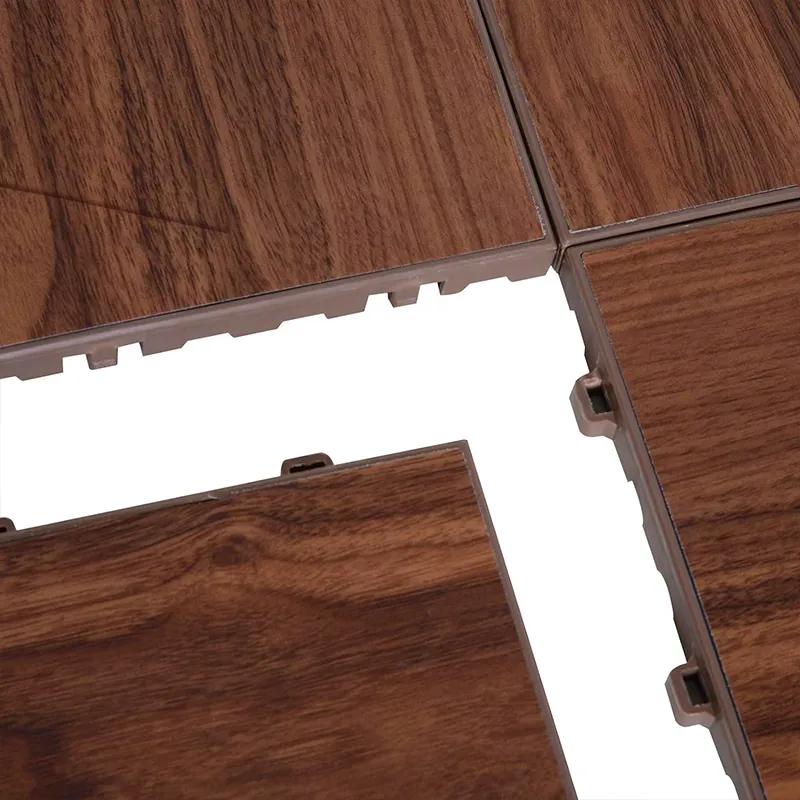
- Interlocking Tiles: Provide a stable surface and are easy to install.
- Sprung Floor Panels: Offer cushioning over uneven surfaces.
- Marley Rolls: Can be laid over tiles for a professional finish.
Our interlocking tiles are designed for home studios, making them an ideal choice.
Can Interlocking Tiles Be Used for Ballet Practice?
Yes, interlocking tiles can be suitable for ballet with the addition of a suitable surface:
- Add Marley Flooring: Place Marley dance rolls over the tiles.
- Ensure Stability: The tiles should be tightly connected to prevent movement.
- Consider Cushioning: A thin foam layer can create a makeshift sprung floor.
This setup provides a practical solution for ballet practice outside of the studio.
Rubber Flooring: Is It Suitable for Dance?
Rubber flooring is common in gyms but may not be ideal for dance:
- Pros:
- Durable and easy to maintain.
- Provides some shock absorption.
- Cons:
- Too Much Grip: Can hinder movement in certain dance styles.
- Not suitable for ballet or tap dance due to its surface texture.
For better alternatives, explore our dance mats specifically designed for dancers.
How to Maintain Your Dance Floor for Longevity
Proper maintenance ensures your dance floor lasts longer:
- Regular Cleaning: Use recommended floor cleaners to remove dirt and sweat.
- Protective Measures: Encourage dancers to use appropriate dance shoes.
- Routine Inspections: Check for wear and tear, especially on high-traffic areas.
Maintaining your floor preserves its quality and keeps dancers safe.
FAQs
What is the best flooring option for a home dance studio?
Marley flooring over interlocking tiles provides a professional feel that’s easy to install and suitable for various dance styles.
Can I install a sprung floor myself?
While possible, professional installation ensures safety and performance. DIY installation requires careful attention to detail.
Is vinyl flooring good for tap dance?
Vinyl flooring can be suitable, but a hardwood floor may offer better sound quality for tap dance.
How do I clean a Marley dance floor?
Use a mild floor cleaner recommended by the manufacturer and avoid harsh chemicals that can damage the surface.
Do I need a subfloor for my dance floor?
A dance subfloor provides cushioning and can be essential for preventing injuries, especially on hard surfaces.
Can I use gym flooring for dance?
Gym floors are not ideal for dance due to their surface texture and grip. Specialized dance flooring options are recommended.
Summary
- Choosing the right dance floor enhances performance and safety.
- Types of dance flooring options include Marley, wood, and interlocking tiles.
- Vinyl and wood floors each have pros and cons depending on the dance styles.
- Marley flooring is popular for its versatility and ease of installation.
- Sprung floors reduce impact and are beneficial for intensive dance practice.
- Interlocking tiles are great for setting up a home dance floor over carpet.
- Proper maintenance extends the life of your dance floor.
Investing in the right dance floor transforms your space into a haven for creativity and expression. Whether for a professional dance studio or a personal home studio, the perfect floor awaits you.