
















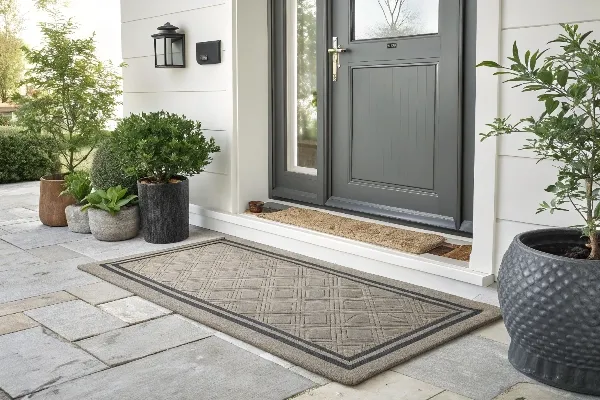
A Look Inside Our Mat and Carpet Manufacturing Process
Ever wondered how that plush mat under your feet came to be? From ancient Persian rugs to modern floor coverings, the art of mat produksie has evolved tremendously. This article unveils the intriguing production process of carpets and rugs, highlighting the craftsmanship behind every thread. Dive in to discover the history, techniques, and innovation that go into creating these everyday masterpieces.
Inhoudsopgawe
What Is the History of Carpet Making?
Die history of carpet making dates back thousands of years, with the oldest known mat being the Pazyryk Carpet from Siberia, dating around 500 BC. Early carpets were primarily handwoven by weavers in regions like Persia (modern-day Iran), where intricate Persian rugs became renowned for their beauty and craftsmanship.
Early Beginnings
- Hand-Knotted Rugs: The original carpets were hand-knotted, a labor-intensive process that could take months or even years.
- Natuurlike vesels: Early carpets were made using natural fibers hou van wol and silk.
“Carpets and rugs have been made for centuries, reflecting the culture and artistry of their makers.”
How Are Carpets Manufactured Today?
In the modern tapyt industrie, manufacturing has shifted from handcrafting to mechanized processes, significantly increasing production rates.
The Manufacturing Process
- Designing: Creating patterns and selecting colors.
- Fiber Preparation: Selecting and preparing carpet fibers hou van nylon, wol, of acrylic.
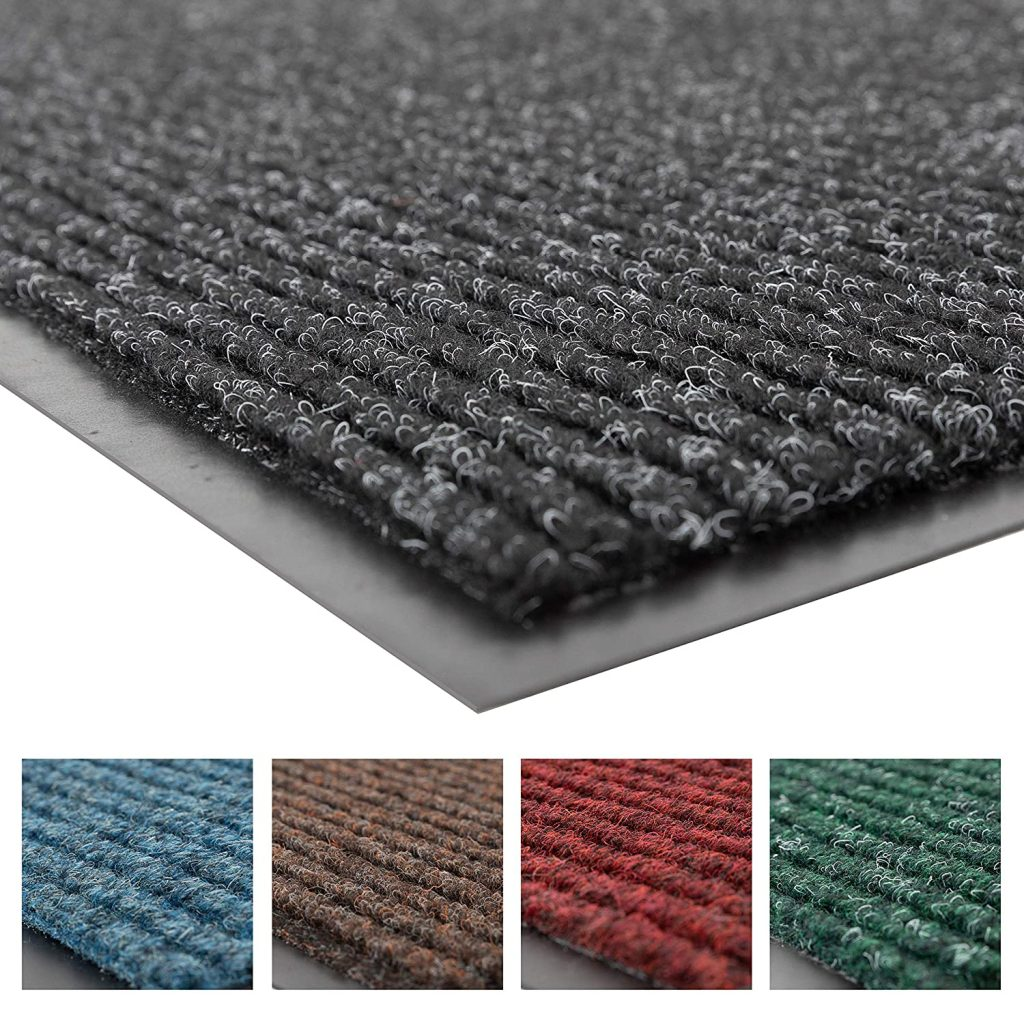
- Tufting: Using a tufting machine to insert yarn into a tapyt rug.
- Verf: Applying kleurstof to achieve desired colors.
- Afwerking: Adding secondary backing and treatments for durability.
Modern techniques have doubled carpet production, making carpets more accessible without compromising quality.
What Is the Tufting Process in Carpet Production?
Tufting is the most common method in modern mat vervaardiging, accounting for about 90% of all carpets produced.
Understanding Tufting
- Tufting Machine: A machine pushes yarn through a backing material to create loops.
- Cut Pile and Loop Pile: The loops can be left intact (loop pile) or cut (cut pile) depending on the desired texture.
Tufting is the process that allows for rapid production and diverse designs in the tapyt industrie.
How Does Weaving Contribute to Carpet Construction?
While tufting dominates today, traditional weaving carpets remains an art form.
Weaving Techniques
- Looms: Carpets are woven on looms, intertwining warp (vertical) and weft (horizontal) threads.
- Types of Weave:
- Wilton Weave: Uses a jacquard mechanism to create complex patterns.
- Axminster Weave: Allows for unlimited color variations.
Weaving provides exceptional durability and intricate patterns, often found in high-end rugs and carpets.
What Materials Are Used in Carpet Manufacturing?
Die keuse van vesel impacts the carpet’s appearance, durability, and feel.
Common Fibers
- Wool: A natuurlike vesel known for softness and resilience.
- Nylon: A durable synthetic fiber resistant to wear.
- Acrylic: Offers wool-like appearance at a lower cost.
- Polyester: Provides vibrant colors and is stain-resistant.
Die fiber used determines the carpet’s performance in different settings.
What Is the Role of Dye in Carpet Making?
Dye adds color and life to carpets, affecting both aesthetics and quality.
Dyeing Methods
- Solution Dyeing: Color is added to the fiber during production, resulting in fade-resistant carpets.
- Stock Dyeing: Fibers are dyed before being made into yarn.
- Piece Dyeing: The completed carpet is dyed, allowing for flexibility in color selection.
The choice of dyeing technique influences the carpet’s stain resistance and colorfastness.
Understanding Carpet Fibers: Natural vs. Synthetic
Carpet fibers fall into two categories: natural fibers en sintetiese vesels.
Natuurlike vesels
- Wool: Renewable, biodegradable, and luxurious.
- Silk: Used in high-end handmade carpets for its luster.
Sintetiese vesels
- Nylon: Durable and versatile.
- Polypropylene (Olefin): Moisture and stain resistant.
- Polyester: Soft and vibrant.
Choosing between natuurlike vesel en synthetic fiber depends on factors like budget, usage, and personal preference.
How Are Handmade and Hand-Knotted Carpets Created?
Handmade en hand-knotted rugs represent the pinnacle of carpet craftsmanship.
The Craftsmanship
- Hand-Knotted: Artisans tie individual knots, creating patterns and designs.
- Knots per Square Inch: A higher knot density indicates finer quality.
Hand-knotted carpets and rugs are treasured for their uniqueness and can become valuable heirlooms.
What Are the Different Types of Carpet Weaves?
Die weave affects the carpet’s texture, appearance, and durability.
Common Weave Types
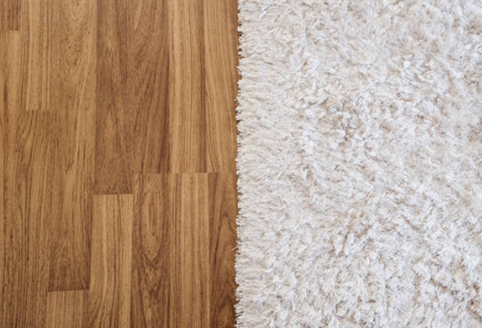
- Cut Pile: Features sheared fibers for a soft, plush feel.
- Loop Pile: Uncut loops provide a durable surface.
- Cut and Loop: Combines both for patterned textures.
- Saxony: Smooth, densely packed fibers.
Understanding the type of carpet weave helps in selecting the right floor covering for your space.
How to Identify Quality Carpets and Rugs
Kies 'n quality carpet involves considering material, construction, and craftsmanship.
Tips for Identifying Quality
- Examine the Fiber: Look for durable materials like wol or high-grade nylon.
- Check the Weave: Tighter weaves generally indicate better quality.
- Feel the Texture: Die softness and density can reveal a lot.
- Inspect the Backing: A strong tapyt rug adds stability.
- Knot Density: In hand-knotted rugs, more knots per square inch signify higher quality.
Visiting a reputable carpet store can provide access to a variety of quality carpets.
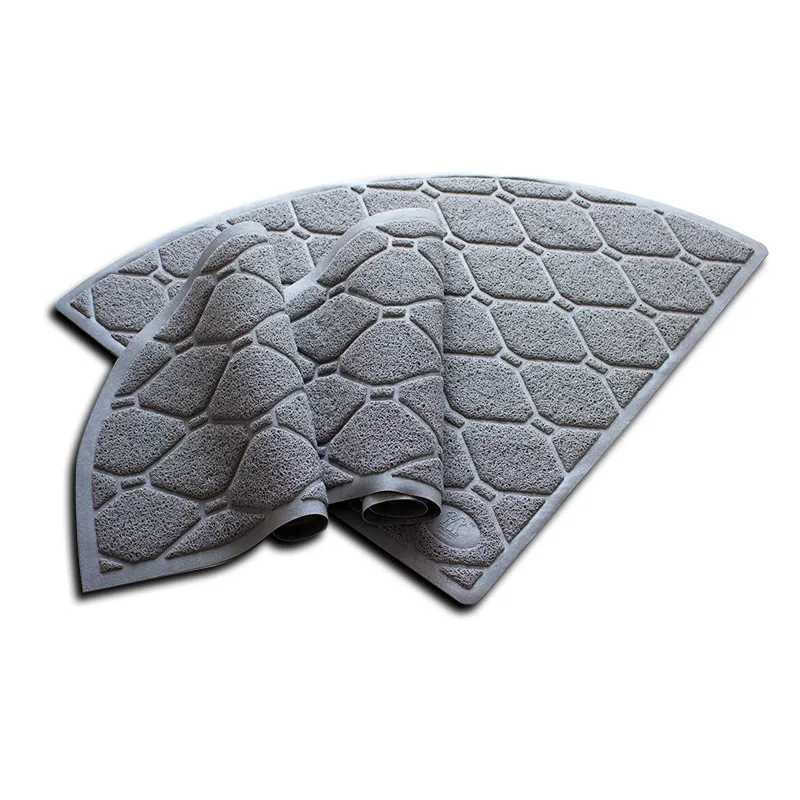
Alt: PVC cat litter mats
Gevolgtrekking
The journey of a mat from raw material to the finished product is a blend of art, tradition, and technology. Whether it’s a hand-knotted rug or a machine-made getofte tapyt, understanding the production process enriches our appreciation for these everyday items. By recognizing the different materials, techniques, and qualities, you can make informed choices for your home or office.
Belangrikste punte om te onthou
- History of Carpet: Carpets have evolved from ancient hand-knotted techniques to modern manufacturing.
- Tufting Process: Dominant in today’s tapyt industrie, enabling mass production.
- Materiaal wat gebruik word: Natuurlike vesels hou van wol en sintetiese vesels hou van nylon are commonly used.
- Weaving Techniques: Traditional weaving offers durability and intricate designs.
- Dye Methods: Die kleurstof technique affects color vibrancy and stain resistance.
- Quality Indicators: Fiber type, weave tightness, and craftsmanship determine quality carpet.
- Handmade vs. Machine-Made: Hand-knotted rugs are unique and often more valuable.
- Types of Weaves: Includes hopie gesny, loop pile, and more, each offering different textures.
- Careful Selection: Understanding these aspects helps in choosing the right mat vir jou behoeftes.
Related Articles
- PVC katvullismatte – Explore durable mats for your pets.
- Nie-gly trap matte – Enhance safety with quality stair coverings.
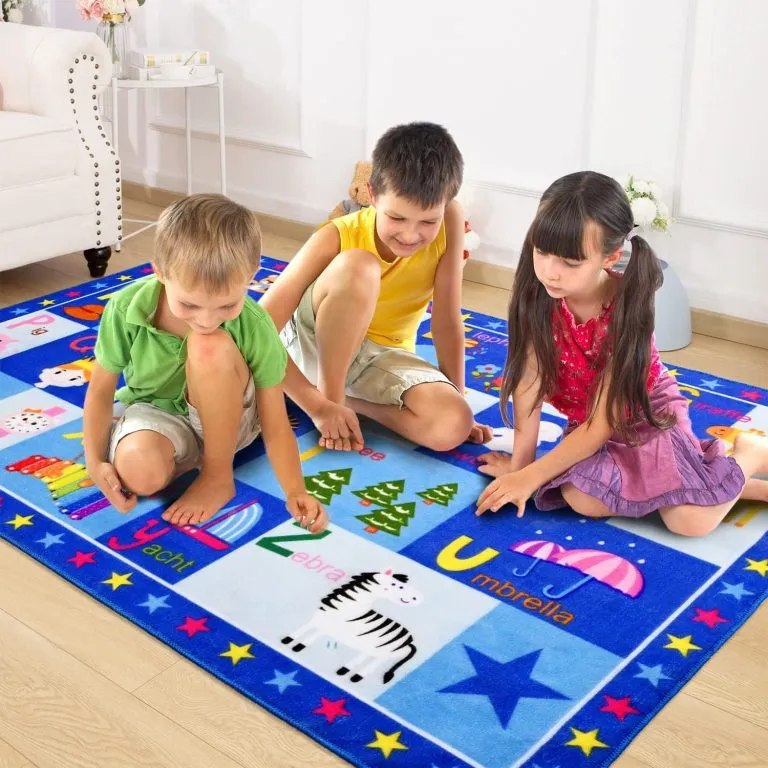
- Loop Pile Kids Mats – Fun and safe mats for children’s play areas.
By embracing the rich tapestry of mat produksie, you not only adorn your space but also honor a tradition that has woven communities together for millennia.