 German
  English
  French
  Spanish
  Turkish
  Italian
  Russian
  Arabic
  Persian (Afghanistan)
  Hebrew
  Bengali
  Persian
  Scottish Gaelic
  Panjabi
  Croatian
  Slovenian
  Greek
Greek  Afrikaans
  Korean
  Japanese
  Portuguese
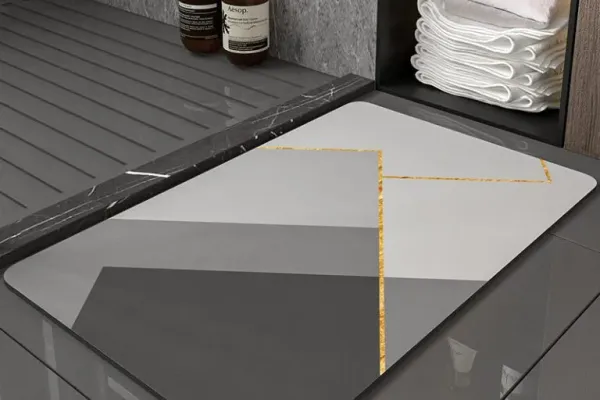
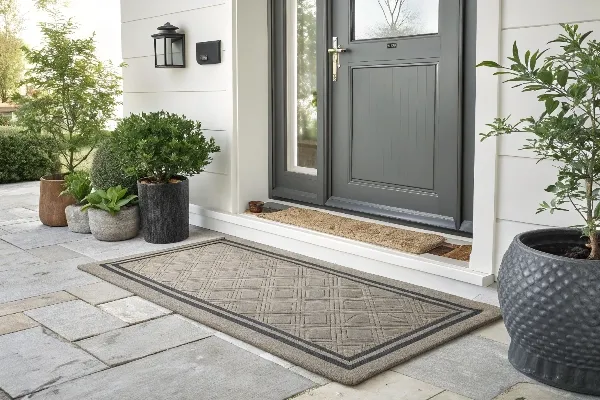
Food spills, muddy paws, and scratched floors are daily headaches for dog owners and retailers alike. Over time, these small problems damage flooring, create hygiene risks, and frustrate customers. The right pet mat solves all of this—protecting floors, keeping feeding areas clean, and improving the daily experience for dogs and their owners.
Pet mats for dogs are specially designed mats placed under bowls, beds, or crates to catch spills, absorb water, prevent slipping, and protect floors. High-quality mats combine waterproof materials, non-slip backing, and easy cleaning, making them an essential accessory for homes, retail shelves, and private-label pet brands worldwide.
Executive Summary
• Pet mats reduce floor damage and cleaning costs by controlling spills, moisture, and muddy paws
• Waterproof and non-slip designs are now baseline expectations in global pet supplies markets
• Silicone, microfiber, and recycled fabrics dominate best sellers on Amazon and retail chains
• Customization (size, color, logo, packaging) is a key driver for private-label success
• Machine washable, quick-dry mats improve consumer satisfaction and repeat purchases
• Eco-friendly materials increasingly influence buying decisions for importers and distributors
Why Are Haustiermatten for Dogs So Important in Modern Homes?
A mat may look simple, but in real homes it performs multiple jobs. Placed under a bowl, it prevents food and water from soaking into floors. Near doors, it catches dirt from each paw. Inside crates, it adds comfort and hygiene.
From our experience working with importers, distributors, and private-label brands, demand for pet mats continues to grow because pet owners treat dogs as family members. They want cleaner homes without constant wiping and mopping. A well-designed pet mat becomes part of everyday living, not just an optional accessory.
For B2B buyers, this makes pet mats one of the most stable, repeat-purchase categories in the global pet supplies market.
What Makes a Good Dog Feeding Mat for Food and Water Bowls?
A feeding area is where most mess happens. A proper feeding mat must handle daily spills, splashes, and movement.
Key requirements include waterproof surfaces that stop liquid penetration, raised edges to contain spills, enough space for food and water bowls, and non-slip backing so the mat stays in place.
Low-quality mats often curl, slide, or leak. High-quality dog food mats protect floors long-term and reduce complaints, which is critical for Amazon best sellers and large retail chains.
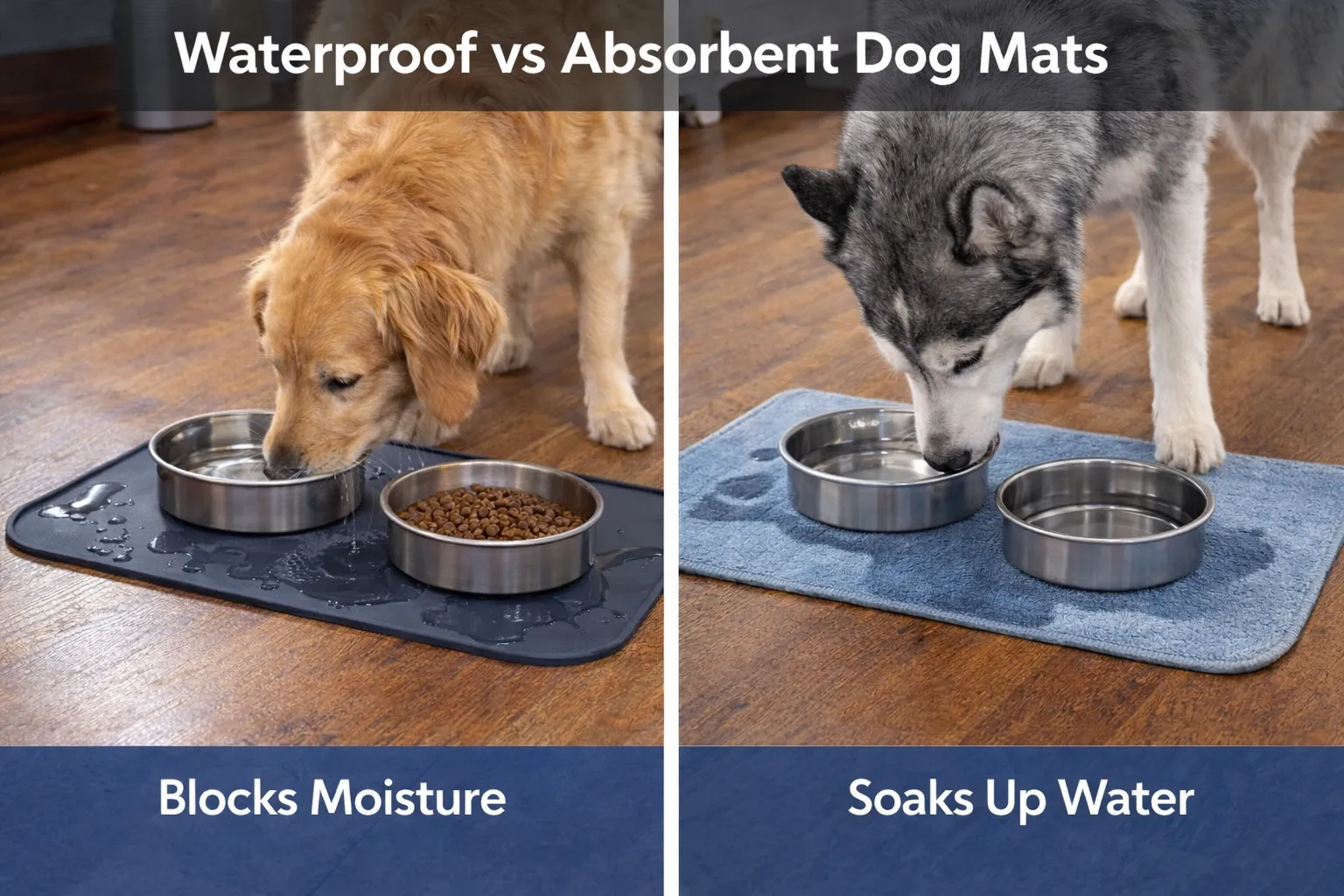
Waterproof vs Absorbent Dog Mats: Which Is Better?
This is one of the most common questions from buyers.
A waterproof pet feeding mat blocks liquid completely and works best on wood, laminate, or tile floors. Silicone and coated materials are common here.
Ein absorbent mat, often microfiber or textile-based, quickly soaks up water. This is ideal for dogs that splash heavily when drinking.
Many modern designs combine both: an absorbent surface with a waterproof base. From a manufacturing perspective, hybrid mats offer higher perceived value and stronger market appeal.
How Do Non-Slip and Anti-Slip Designs Protect Floors?
Dogs move, bowls slide, and without grip, mats lose their purpose.
Non-slip backing—such as textured rubber, silicone dots, or anti-skid fabric—keeps the mat stable even during active feeding. This is especially important on smooth floors and in households with large dogs.
For professional buyers, anti-slip performance directly affects customer reviews, returns, and long-term brand trust.
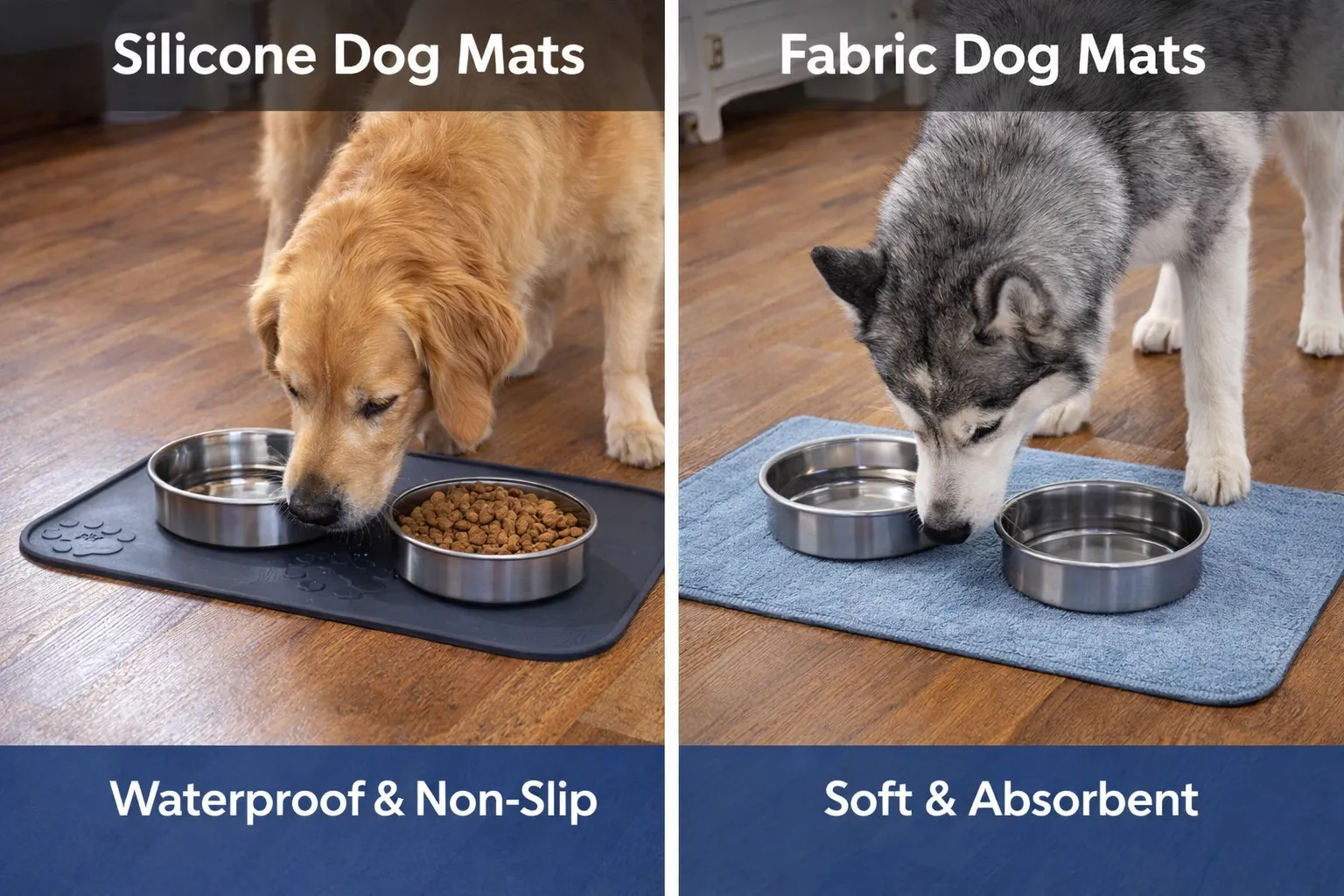
Are Silicone Dog Food Mats Better Than Stoffmatten?
Silicone mats dominate Amazon best sellers because they are waterproof, flexible, and easy to clean. A silicone dog food mat works well as a placemat under bowls and feeders.
Fabric mats, including washable rugs, feel warmer and look more decorative. They are often used as dog bed layers, crate mats, or door mats.
From a product-line perspective, offering both silicone and fabric options allows distributors and retailers to cover multiple use scenarios and price points.
What Sizes and Shapes of Pet Mats Work Best?
Size is often underestimated. A mat that is too small will not prevent overflow, while an oversized mat may feel bulky.
Popular formats include standard bowl mats, extra-large mats for multiple bowls, long mats for food and water setups, and compact mats for apartments.
Custom sizing is a major advantage for private-label brands. As a manufacturer, we regularly adjust dimensions to fit shelf layouts, packaging needs, and regional consumer preferences.
How Easy Cleaning Drives Repeat Purchases
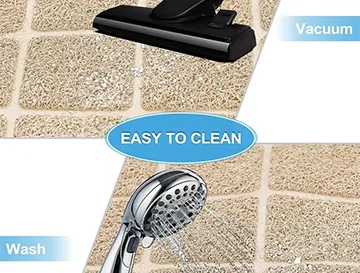
Convenience strongly influences repeat sales. Mats that are machine washable or easy to wipe clean save time and reduce odors.
Top-performing mats offer quick-dry materials, resistance to stains, and compatibility with home washing machines. From a B2B standpoint, easy cleaning translates directly into higher satisfaction, fewer complaints, and better long-term sell-through.
Can Dog Mats Be Used Beyond Feeding Areas?
Yes. Today’s dog mat is multi-functional.
Common uses include placement under dog beds, inside crates, near doors for muddy paws, and as training mats for puppies. This versatility increases perceived value and helps brands position mats as everyday home essentials rather than single-purpose items.
Are Eco-Friendly and Recycled Mats Worth It?
Sustainability is becoming a purchasing factor, especially in Europe and North America. Mats made from recycled rubber, eco-friendly silicone, or low-impact textiles attract environmentally conscious consumers.
From a factory perspective, eco claims must be supported by material transparency, compliance with standards such as REACH, and clear labeling. For distributors, this reduces regulatory risk and strengthens retailer confidence.
Comparison Table (Text Version)
Silicone Feeding Mat
Best use: Bowls and feeding areas
Key benefit: Waterproof and non-slip
Limitation: Limited absorbency
Absorbent Fabric Mat
Best use: Water spills and wet paws
Key benefit: Quick drying
Limitation: Requires washing
Hybrid Mat
Best use: Mixed feeding and drinking areas
Key benefit: Balanced performance
Limitation: Slightly higher cost
Crate Mat
Best use: Resting and sleeping areas
Key benefit: Comfort and hygiene
Limitation: Not designed for heavy spills
How Custom Dog Mats Support Private Label Brands
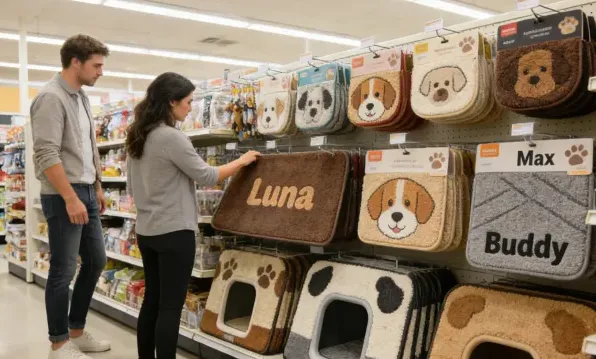
Anpassung turns a basic mat into a brand product. We support customization of colors, textures, logo placement, thickness, edge height, and packaging.
For pet product brands, retailers, and promotional companies, custom mats help differentiate offerings in competitive markets while maintaining consistent quality and functionality.
FAQs About Pet Mats for Dogs
Are pet mats safe for dogs and cats?
Yes. Quality mats made with non-toxic materials are safe for both dogs and cats when produced under proper standards.
Can one mat work for both food and water bowls?
Yes. A correctly sized mat can hold both bowls and effectively prevent overflow.
Do washable mats lose shape over time?
High-quality washable mats maintain their structure after repeated washing. Low-quality products may not.
Are silicone mats better for puppies?
Yes. Puppies spill frequently, so waterproof non-slip silicone mats are often the best choice.
How often should a dog feeding mat be cleaned?
Ideally every few days, or immediately after heavy spills, to maintain hygiene and odor control.
Die wichtigsten Erkenntnisse
• Pet mats for dogs are essential for hygiene, floor protection, and customer satisfaction
• Waterproof, non-slip, and easy-clean designs dominate global demand
• Size, material, and cleaning convenience directly affect reviews and repeat sales
• Customization enables strong private-label differentiation
• Eco-friendly materials are increasingly important in international markets
Professional Next Step
If you are sourcing or developing pet mats for dogs for retail, e-commerce, or private-label programs, the next step is a product evaluation rather than a quick quote. Reviewing materials, sizes, and use scenarios ensures the final mat truly fits your market, customers, and brand positioning.
If you want, I can next:
• Shorten this into a category-page version
• Extract product bullet points for Amazon or catalogs
• Create a private-label sourcing guide version
• Rewrite for a more technical B2B procurement audience